
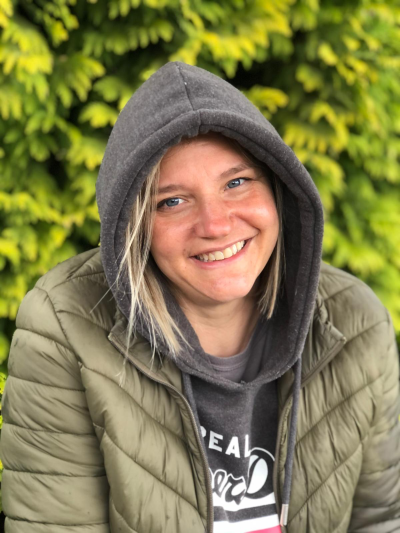
When Heather, 49, from Cheshire lost her father-in-law, Les, suddenly, her life changed in an instant.
“The day itself exists only in fragments” Heather explains “Moments of painful clarity surrounded by long stretches of fog. I remember performing CPR, acting on instinct and following instructions because there was no time to think.”
This instinctiveness carried her through the immediate crisis, but in the days and weeks that followed, something deeper began to surface.
“When the shock of the day settled and real life returned, the guilt came. Guilt about what I could remember, and what I couldn’t. Guilt about whether I had done enough. Guilt about the things I had to do in those final moments, even though I had no other choice,” she says.
Alongside the guilt came anger.
Heather recalls: “Anger at the unfairness and suddenness of the loss, and at having to carry so much while trying to take care of everyone else. These emotions wrapped tightly around one another, becoming heavy and overwhelming.”
Feeling she had to stay strong for others, Heather pushed everything down and carried on. She began to experience intrusive thoughts and visions.
Heather explains: “Trauma has a way of showing itself when the mind can no longer contain the weight. Scenes in my head and vivid images I couldn’t stop. Moments that made my whole body feel like it was back in danger, even when I was safe.
“They felt so real, and they left me shaken and exhausted. My mind felt stuck on the worst seconds of my life, looping them over and over.”
Eventually, Heather realised she couldn’t continue like this. And that’s when she referred herself to West and Central NHS Talking Therapies, where she was introduced to her therapist, Jane.
She admits she was nervous before the first session, unsure whether she could open up to a stranger.
“I was scared to admit what was happening in my mind. However, Jane listened with warmth and patience. She explained that these thoughts and visions were a normal reaction to trauma and a sign that my brain was overwhelmed and trying to make sense of something too big, too sudden, and too painful.”
For the first time, Heather spoke openly about the shock, guilt, anger and confusion surrounding that day, and the intrusive memories that followed.
They began with grounding and breathing techniques to help calm her body when the intrusive memories appeared. Then, at Heather’s pace, they gently introduced exposure therapy. A way of safely revisiting the memories so her brain could finally process them and understand that, although painful, they were not dangerous.
Over the following weeks, through guided sessions and structured homework, Heather learned to sit with difficult thoughts without panicking, allow intrusive images to pass instead of fighting them, and challenge the traumatic thoughts with the perspective she has now.
“They didn’t vanish overnight,” she reflects, “but they stopped controlling my day. They became memories, sad ones, but no longer ones that controlled me or scared me. Exposure therapy wasn’t easy at times, but Jane supported me to persevere and was with me every step of the way. Reminding me that avoiding these awful memories was not the answer to feeling better in the long term.”
Gradually, she began to sleep better, feel calmer, and noticed the fear and guilt loosening their grip. Heather still has sad days but explains how they no longer hold control.
“I understand that grief is part of love, and it doesn’t disappear – and that processing the frightening memories allows the grief to have more room. However, I no longer feel trapped or frightened of my own mind. Reaching out for help was the hardest step, but it changed everything,” she says.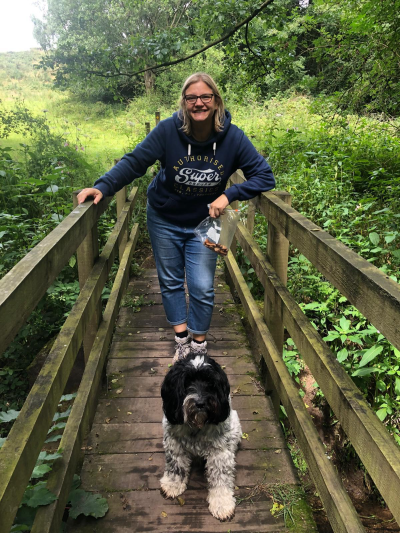
Heather knows that not everyone who experiences loss will require trauma‑focused therapy. But for those who experience intrusive memories, flashbacks, overwhelming fear, or a sense of being “stuck” after a traumatic event, Talking Therapies can be life‑changing.
Heather message is simple:
“If you’re struggling after trauma, you are not alone — and you are not broken. Healing is possible, gently and gradually, with the right support.”
People living within West and Central Cheshire can access NHS talking therapies for free on the NHS by referring themselves directly with or without a referral from a GP.
If you need urgent mental health support, call NHS 111 and select the mental health option